
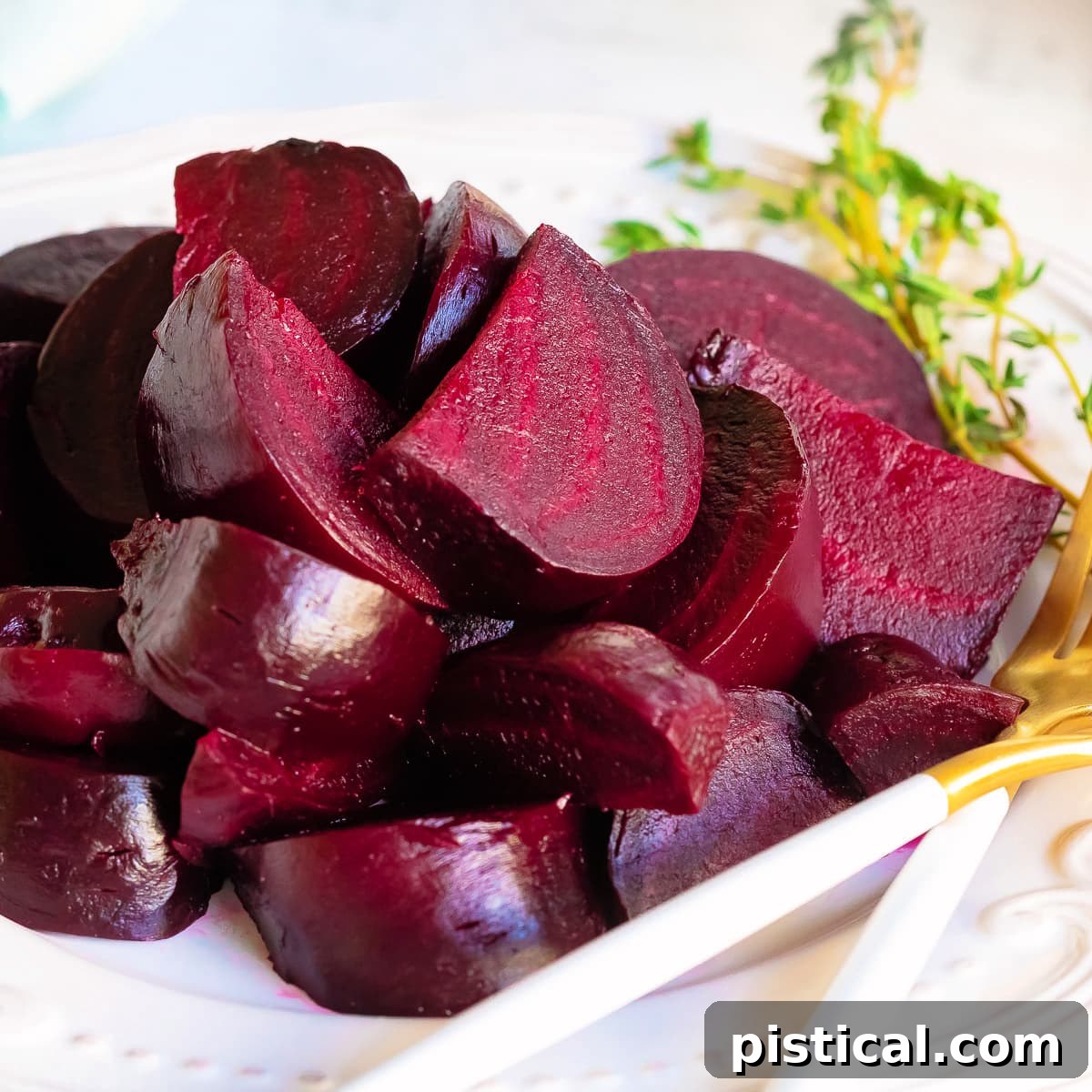
Roasted Beets are not just a side dish; they are a culinary revelation – sweet, tender, and bursting with earthy flavor. Learning how to roast beets the right way is a fundamental skill every home cook should master, turning even the most skeptical eaters into beet enthusiasts. This comprehensive guide provides a quick and easy recipe, requiring minimal prep and, best of all, no peeling of the beets before roasting!
These delightful roasted beets make an incredible accompaniment to a wide array of main courses. Imagine them served alongside a succulent Goat Cheese Stuffed Chicken Breast or perfectly grilled chicken infused with my famous chicken marinade – a truly delicious combination that will elevate any meal!
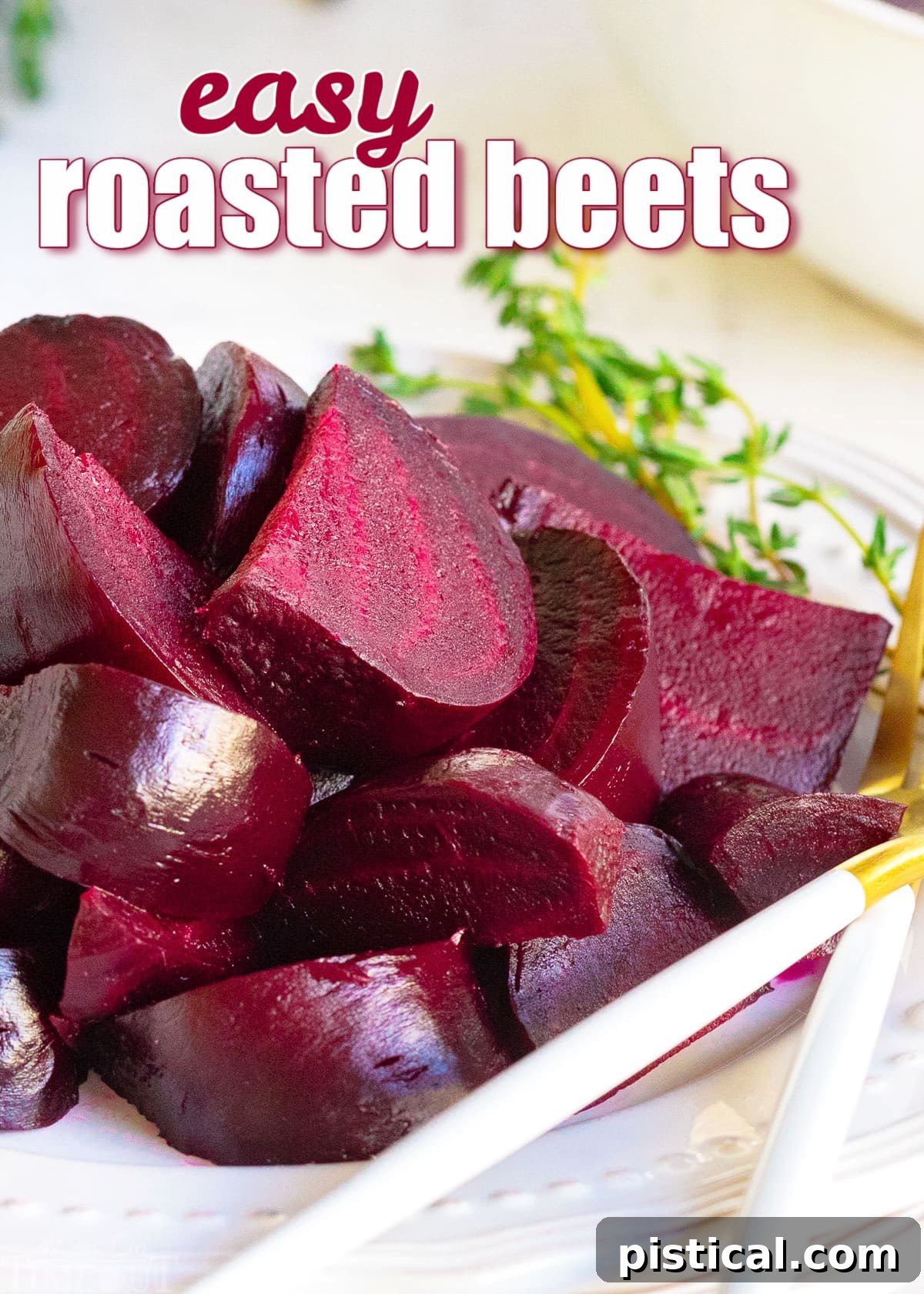
Oven Roasted Beets: Transforming a Humble Root into a Culinary Star
Beets tend to be a polarizing vegetable; people either adore them or they simply can’t stand them. My husband, for example, firmly falls into the latter category. However, for me, beets have been a lifelong passion. I gravitate towards them at salad bars and savor them as a special treat when prepared at home. There’s something undeniably appealing about their vibrant color and unique flavor profile.
This particular roasted beets recipe has become an absolute staple in my kitchen, primarily because of its incredible ease and the superior results it consistently delivers. Here’s why it stands out as the ultimate method for preparing this wonderful root vegetable:
- Effortless Preparation (No Peeling!): One of the biggest advantages is that there’s no need to peel the beets before roasting. Roasting them with their skins on locks in moisture, concentrates their flavor, and makes the skins incredibly easy to remove once they’re cooked and cooled. This saves a significant amount of time and effort.
- Minimal Hands-On Time: You’ll spend only about 5 minutes on active preparation before these vibrant vegetables are ready for the oven. This makes it an ideal side dish for busy weeknights or when you’re entertaining.
- Unforgettable Flavor and Texture: Roasting truly works magic on beets. The high heat coaxes out their natural sugars, leading to a delightful caramelization that intensifies their sweetness. The result is a wonderfully tender, almost buttery texture that’s far superior to boiling or steaming, which can often leave beets watery and bland.
- Nutrient-Packed Powerhouse: Beyond their incredible taste, beets are brimming with essential vitamins and minerals. They are an excellent source of dietary fiber, potassium, iron, and vitamin C, making them a remarkably healthy addition to any balanced diet.
The Unbeatable Appeal of Beets: From Flavor to Health Benefits
This simple roasted beets recipe isn’t just a convenience; it’s a foundation for healthy eating. I find myself preparing it multiple times a month, often roasting a large batch to keep readily available in my refrigerator. These versatile cooked beets can be effortlessly added to fresh salads, blended into vibrant smoothies, or simply enjoyed on their own as a nutritious snack. Beets are truly a nutritional marvel, providing a rich supply of essential nutrients that contribute to overall well-being. They are packed with antioxidants, support cardiovascular health, and can even boost exercise performance.
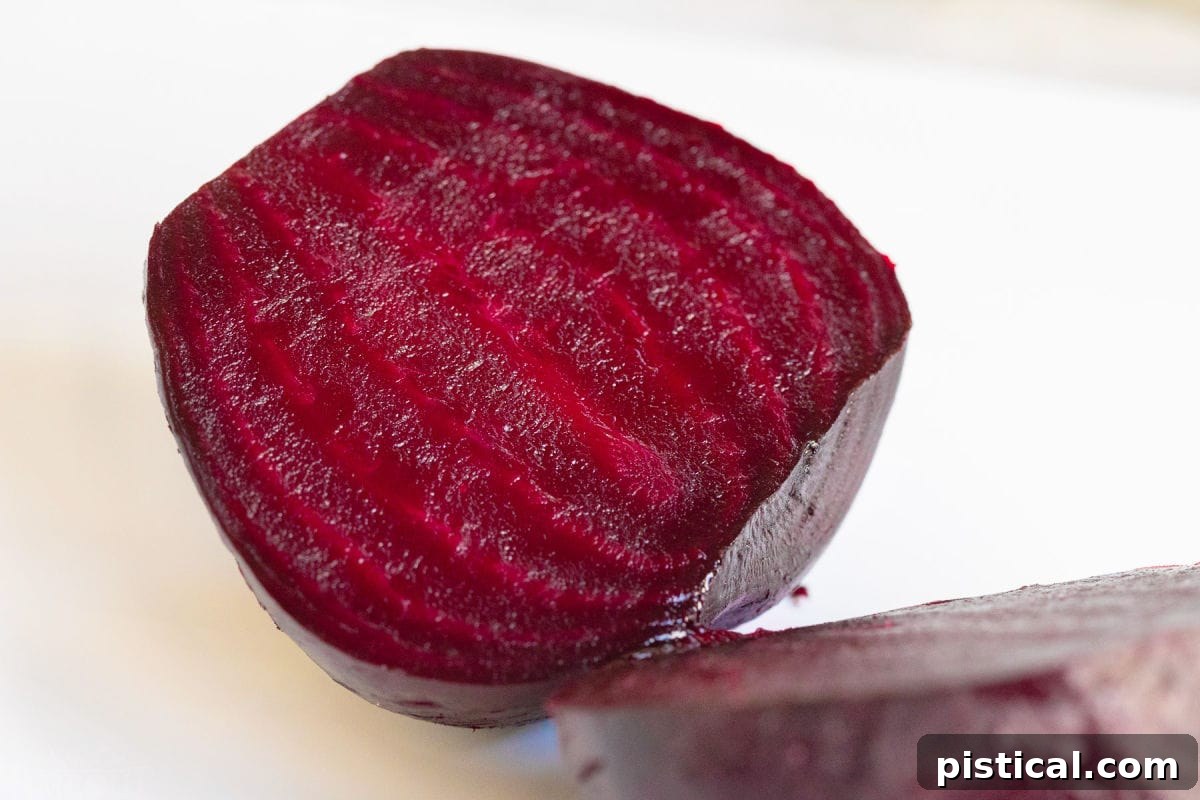
Beyond their impressive nutritional profile, I am genuinely captivated by every aspect of beets: their distinctive earthy-sweet flavor, the delightful contrast of their firm yet tender texture when roasted, and above all, their utterly stunning color. Oh, that color! It’s a deep, rich fuchsia or brilliant golden hue that instantly adds a magnificent pop to any dish, making your plate look as appealing as it tastes. These natural pigments, known as betalains, are not only responsible for their striking appearance but also function as potent antioxidants, providing additional health benefits.
Roasting is, without a doubt, the quintessential method for unlocking the most amazing flavor in almost all vegetables, and beets are no exception. The application of high, dry heat in the oven performs a remarkable transformation. It initiates the Maillard reaction, a complex chemical process that leads to the browning and caramelization of the beets’ natural sugars. This process brings out an unparalleled depth of sweetness and creates an irresistibly tender, almost melt-in-your-mouth texture that simply cannot be achieved through less intense cooking methods like boiling or steaming. If you’ve previously dismissed beets as unappealing, I implore you to give this roasting method a try – it truly is a game-changer!
A Gentle Reminder: Handle Beets with Care! Beets are famous for their vibrant pigments, which have a playful tendency to stain anything in their vicinity a lovely shade of fuchsia. To protect your hands, clothing, and kitchen surfaces, consider wearing kitchen gloves while handling raw or freshly peeled beets. Using a designated cutting board or lining your surfaces can also prevent stubborn stains from setting in.
Selecting the Perfect Beets for Roasting: A Guide to Freshness and Variety
The foundation of delicious roasted beets begins with selecting the freshest, highest-quality produce. Beets offer a surprising diversity, coming in various shapes, sizes, and even distinct colors beyond the common red, such as golden, white, and the strikingly striped Chioggia varieties. Each type offers a slightly different flavor profile and visual appeal. Here are key considerations when choosing beets at the market:
- Vibrant Greens, Firm Roots: Always look for beets with their leafy tops still attached. The leaves should appear fresh, crisp, and boast a bright, healthy green color, indicating recent harvest. Steer clear of beets with wilted, yellowed, or slimy leaves, or those that have had their leaves completely removed, as this often signifies older produce that may lack flavor and moisture.
- Undamaged and Firm: While raw, unpeeled beets aren’t typically known for their pristine appearance, choose those that are firm and heavy for their size. Gently squeeze them; they should feel solid, without any soft spots, deep cuts, or visible bruising. Minor surface imperfections are generally acceptable, but any significant damage can impact the beet’s quality and cooking consistency.
- Uniform Size for Even Cooking: For optimal and consistent roasting, it’s highly recommended to select beets that are roughly the same size. This ensures that all your beets cook evenly and are ready at the same time. If you happen to have a mix of sizes (perhaps from a farmer’s market haul or a CSA box), don’t worry. Simply be mindful that smaller beets will cook faster. You can check their doneness earlier, typically around the 30-minute mark, and allow the larger beets to continue roasting until they reach perfect tenderness.
Exploring different beet varieties can add an exciting dimension to your culinary repertoire. Golden beets, for instance, are often praised for their milder, sweeter flavor and their tendency not to “bleed” or stain as much as red beets. Chioggia beets, with their beautiful concentric red and white rings, offer a stunning visual element that can partially persist even after roasting, making for a truly eye-catching dish.
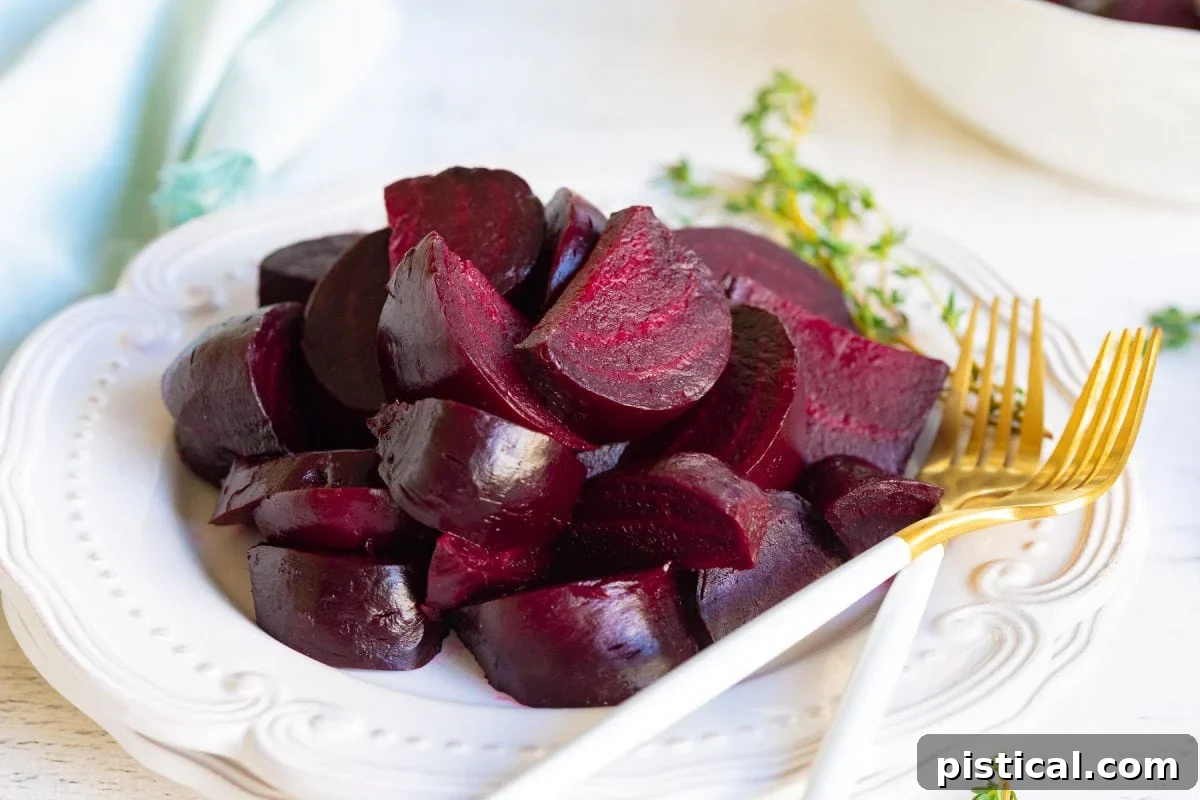
Minimalist Ingredients for Maximum Flavor: What You’ll Need
One of the most appealing aspects of roasting beets is how little you need to achieve truly spectacular results. The natural, earthy sweetness of the beets is the true star of the show, enhanced by just a few humble pantry staples. Here’s a concise list of the essential ingredients:
- Fresh Beets: The quantity is entirely flexible – you can roast a single beet for a quick, healthy snack or a large batch of ten or more for a family gathering. The roasting method remains consistent regardless of the number. Always aim for firm, fresh beets, ideally with their greens attached as an indicator of freshness.
- Extra Virgin Olive Oil: A good quality extra virgin olive oil is indispensable for coating the beets. It helps them to achieve that desirable caramelization, contributes to their tender texture, and adds a subtle richness. A general guideline is about a teaspoon of olive oil per medium-sized beet, ensuring each one is adequately coated without being overly greasy.
- Kosher or Sea Salt: Salt is not merely for seasoning; it plays a vital role in drawing out moisture and significantly enhancing the natural sweetness of the beets. Approximately half a teaspoon of Kosher or sea salt per beet is a good starting point, but feel free to adjust this to your personal taste preferences.
While these three ingredients form the core of a perfectly roasted beet, you have the option to experiment with additional seasonings. A sprinkle of freshly cracked black pepper, a sprig of aromatic fresh thyme or rosemary tucked into the foil packet, or a touch of minced garlic can introduce subtle complexities. However, for a truly classic and unadulterated beet experience, olive oil and salt are all you truly need to let their inherent deliciousness shine.
How To Roast Beets: Your Step-by-Step Guide to Perfection
Achieving perfectly sweet, tender, and incredibly flavorful roasted beets is surprisingly simple. Follow these straightforward steps, and you’ll be enjoying this delightful and healthy side dish with minimal fuss:
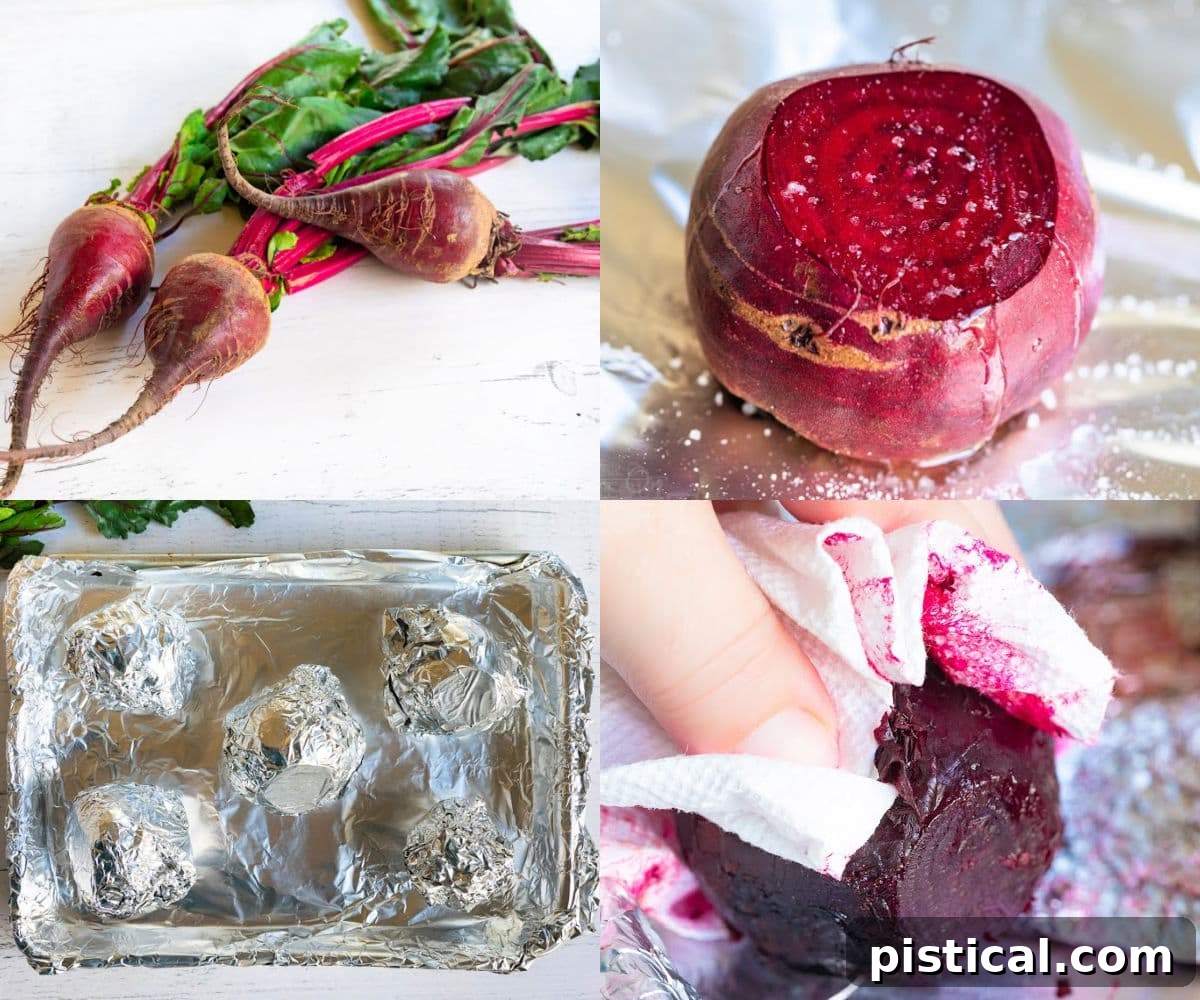
- Prepare Your Baking Sheet: Start by preheating your oven to a steady 400°F (200°C). Crucially, line a sturdy, rimmed baking sheet generously with heavy-duty aluminum foil. Even though the beets will be individually wrapped, their vibrant juices can sometimes leak out during the roasting process, leading to stubborn stains on your pan. This foil lining acts as a protective barrier, ensuring a quick and effortless cleanup.
- Thoroughly Clean Your Beets: Since beets grow directly in the soil, they often carry a fair amount of dirt, even if they appear clean. Before roasting, give each beet a thorough scrub under cool running water using a dedicated vegetable brush. This step is essential, as you’ll be roasting them with their skins on.
- Trim the Ends: Using a sharp knife, carefully trim off the leafy tops and the small, fibrous root end of each beet. There’s no need to remove much of the actual beet flesh; simply cut enough to detach the greens and the very tip of the root. This makes the beets easier to handle and ensures a smoother, more palatable texture once they are cooked. (For a visual demonstration of this step, many online recipe videos provide excellent guidance.)
- Season Individually: Place each cleaned and trimmed beet onto its own individual piece of heavy-duty aluminum foil. Drizzle each beet generously with extra virgin olive oil, ensuring it’s lightly coated. Then, sprinkle each one evenly with Kosher or sea salt. Seasoning them individually guarantees that every beet receives an adequate and consistent flavor boost.
- Wrap Tightly: Carefully wrap each beet tightly in its respective foil packet. Make sure there are no significant gaps for steam or valuable juices to escape. Wrapping them individually creates a self-contained steaming environment, allowing the beets to cook evenly, become incredibly tender, and prevent them from drying out in the oven.
- Arrange and Roast: Arrange the foil-wrapped beets in a single layer on your prepared baking sheet. Place the sheet in the preheated oven and roast at 400°F (200°C) for approximately 60 minutes. This duration is typically ideal for medium to large-sized beets. However, it’s important to remember that cooking times can vary significantly based on the size of your beets, so attentive monitoring is key.
- Check for Doneness: To determine if your roasted beets have reached their perfect tenderness, carefully remove one beet from the oven (using tongs or an oven mitt for safety) and unwrap it. Insert a skewer, a small paring knife, or a sturdy toothpick into the center of the beet. It should slide in easily with minimal resistance, indicating a fully cooked, deliciously tender interior.
Important Note on Roasting Time: The cooking duration for roasted beets is directly correlated to their size. Smaller beets (like golf balls) can be done in as little as 30-45 minutes, while extra-large beets (the size of a softball or larger) may require 70-90 minutes, or even more. If you’re roasting a mixed batch, always start checking the smaller ones earlier to prevent overcooking.
For even more consistent results, especially if you have an older oven or are roasting particularly large beets, consider flipping the foil-wrapped beets over about halfway through their cooking time. This promotes uniform caramelization and ensures every side becomes perfectly tender.
Preparing Roasted Beets for Serving: Cooling, Peeling, and Cutting
Once your beets emerge from the oven, perfectly tender and fragrant, the final steps involve a brief cooling period, effortless peeling, and cutting them into your desired shape. This process is surprisingly straightforward, thanks to the magic of roasting:
- Allow to Cool Gracefully: Resist the temptation to immediately handle the steaming hot beets! Instead, let them rest on the baking sheet for approximately 20 minutes, or until they have cooled down enough to be comfortable to the touch. They don’t need to be completely cold; in fact, slightly warm beets are often easier to peel than those that are fully chilled.
- Effortless Skin Removal: One of the greatest benefits of roasting beets with their skins on is how readily they slide off once cooked. The simplest and most effective method is to gently rub the outside of each beet with a clean paper towel. The softened skin should practically peel away in large, satisfying pieces. Should you encounter any particularly stubborn patches of skin, a small paring knife or a vegetable peeler can be used to easily remove them. Remember our earlier warning about beet stains – wearing a pair of kitchen gloves can be very helpful during this step!
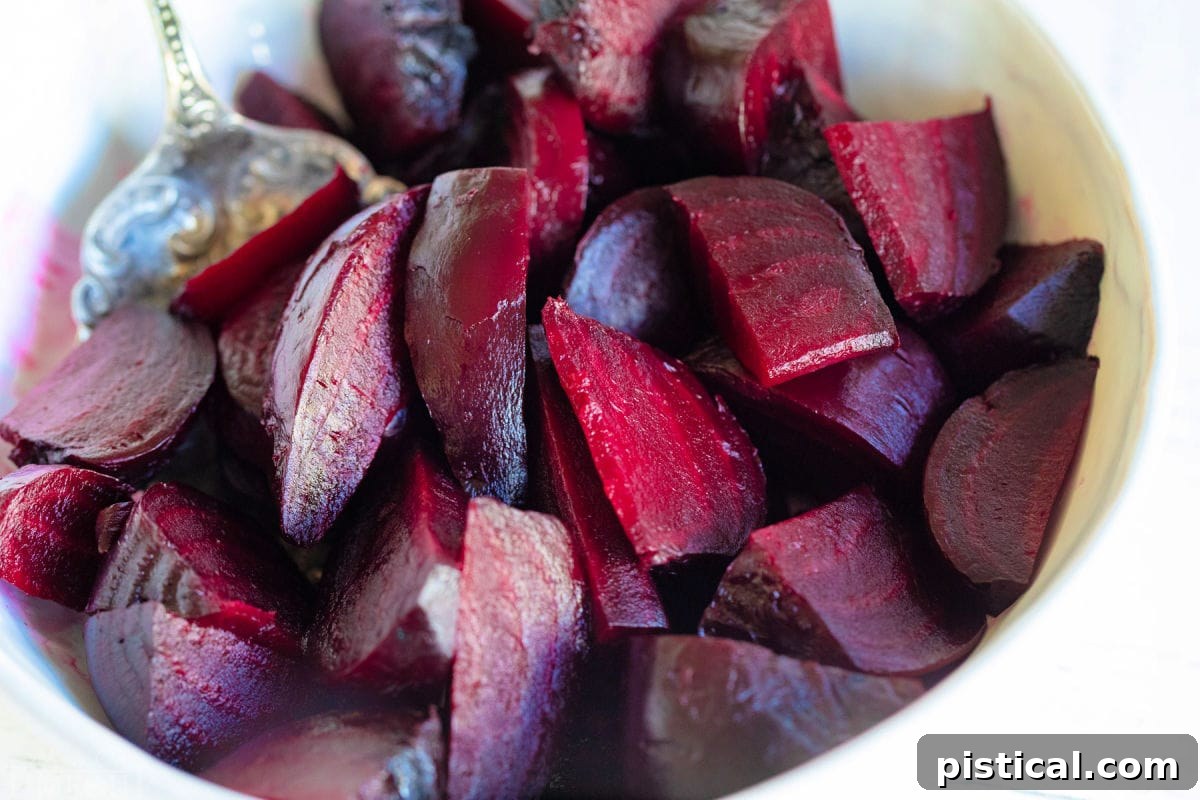
- Cut to Your Liking: Once peeled, your perfectly tender, vibrant beets are ready to be transformed. You can elegantly slice them into thin rounds, cut them into rustic wedges for a more substantial bite, or dice them into small cubes, depending on how you plan to incorporate them into your dish.
After being peeled and cut, these exquisite roasted beets are ready to be savored. If you’re not planning to serve them immediately, simply transfer them to an airtight container and store them in the refrigerator to maintain their freshness and flavor.
Can Oven Roasted Beets Be Frozen?
Yes, absolutely! Roasted beets are an excellent candidate for freezing, making them a fantastic option for meal prepping and ensuring you always have a healthy side dish on hand. Once your roasted beets have cooled completely, been peeled, and cut into your desired shape (slices, wedges, or cubes), transfer them to a freezer-safe zip-top bag or an airtight container. To prevent freezer burn, ensure you remove as much air as possible from the bag before sealing. Properly stored, roasted beets can be safely frozen for up to 2 months. When you’re ready to enjoy them, simply thaw them overnight in the refrigerator and then gently reheat them, or add them chilled to your favorite salads and dishes.
How Long to Roast Beets?
The ideal roasting time for beets is primarily determined by their size. A reliable method for checking doneness is to pierce them with a skewer or fork; they should feel tender with little resistance. Here’s a general guide:
- Small Beets (approx. 1-2 inches in diameter): Typically require 30 – 45 minutes of roasting.
- Medium Beets (approx. 2-3 inches in diameter): Generally cook in 45 – 60 minutes.
- Large Beets (approx. 3+ inches in diameter): May need 60 – 90 minutes or occasionally a bit longer.
Always roast until the beets are undeniably fork-tender throughout, as undercooked beets can be hard and have an unpleasant texture. When roasting a variety of sizes, start checking the smaller beets earlier and extend the cooking time for larger ones as needed.
How To Store Roasted Beets
Once your roasted beets are cooked and have cooled to room temperature, they can be stored efficiently. Place them in an airtight container and refrigerate for up to 1 week. The flavors of roasted beets often meld and deepen over time, making them a wonderful make-ahead component for healthy meals throughout the week.
Creative Ways to Serve Roasted Beets: Beyond the Side Plate
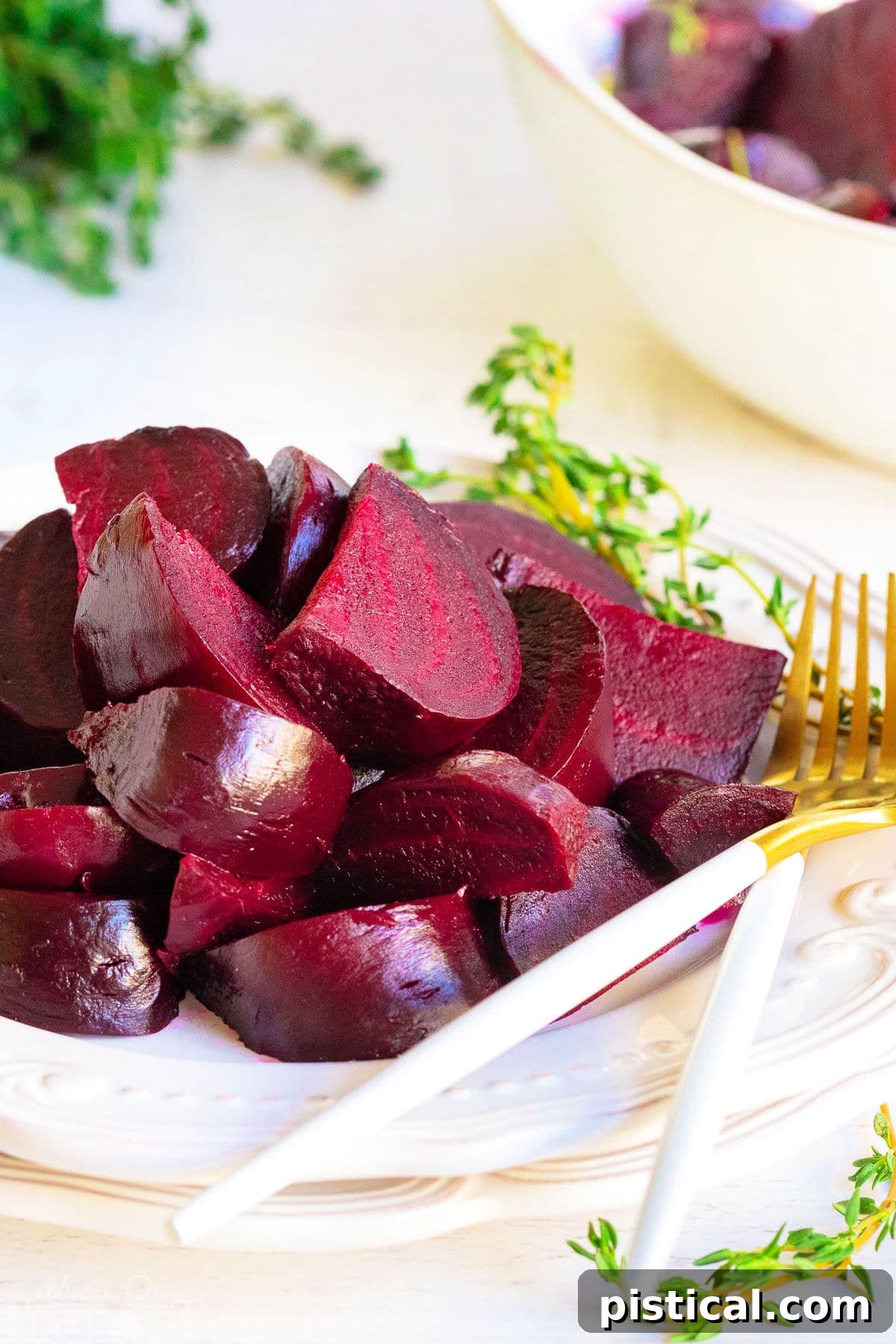
The versatility of perfectly roasted beets is truly one of their most delightful attributes. While they are undeniably delicious simply on their own, they truly shine when thoughtfully incorporated into other dishes or paired with complementary flavors. Here are some creative serving suggestions:
- Star in Salads: My absolute favorite way to enjoy roasted beets is as the star of a vibrant, healthful salad. Their natural sweetness and earthy undertones create a magical harmony when combined with the creamy tang of goat cheese. Envision a refreshing salad featuring your favorite peppery greens (arugula or spinach are fantastic choices!), generously sized chunks of roasted beets, crumbled goat cheese, and a sprinkling of toasted walnuts or pecans for crunch. A simple drizzle of a homemade balsamic vinaigrette perfectly ties this exquisite lunch or light dinner together.
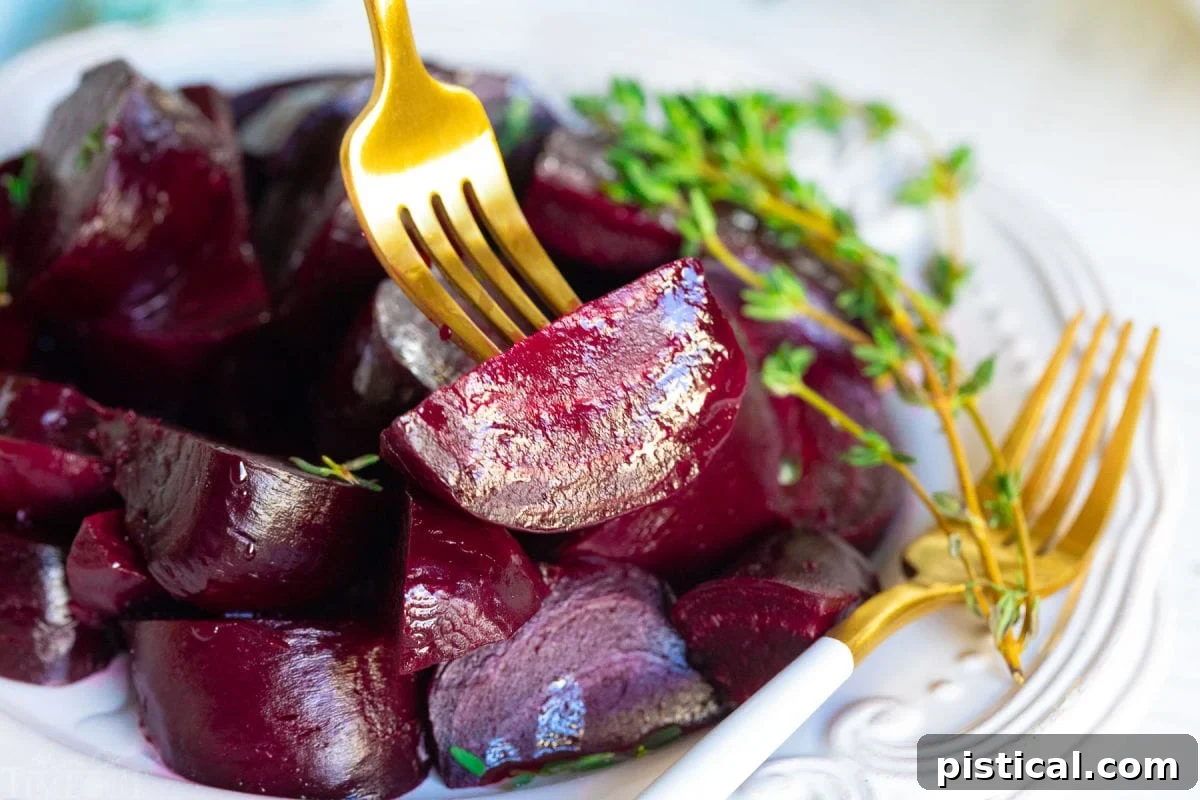
- Elegant Side Dish: Serve them either warm or chilled as an elegant and colorful side. Often, a light dressing of high-quality balsamic vinegar and a touch of extra virgin olive oil is all they require to allow their intrinsic flavors to shine. For an added layer of freshness and aroma, consider sprinkling them with finely chopped fresh herbs like dill, chives, or parsley.
- Flavor Amplification: To infuse even more flavor, whisk together a quick balsamic vinaigrette (recipe below) and gently toss your warm, freshly cut beets in the dressing immediately after peeling. This allows the warm beets to absorb all the delicious flavors of the dressing, intensifying every bite.
- Beyond Traditional Serving: Get creative with roasted beets! Consider dicing them and adding them to nutritious grain bowls for an extra pop of color and flavor, incorporating them into wraps for a healthy lunch, or even pureeing them into a uniquely vibrant hummus or a comforting soup. They also make a surprisingly delicious and colorful addition to gourmet sandwiches and crostinis.
Easy Balsamic Vinaigrette for Roasted Beets
This simple, yet flavorful dressing provides the perfect counterbalance to the inherent sweetness of roasted beets, enhancing their natural taste without overpowering it:
- 1 tablespoon balsamic vinegar (for a slightly milder flavor that won’t affect the beet’s color, consider using white balsamic vinegar).
- 2 tablespoons extra virgin olive oil (use a good quality oil for the best flavor).
- 1 tablespoon honey or maple syrup (adds a touch of additional sweetness and helps balance the acidity).
- Optional: A small pinch of sea salt and freshly cracked black pepper, to taste.
- Optional: 1 teaspoon Dijon mustard (this is a secret weapon for emulsifying the dressing and adding a wonderfully tangy kick).
- Optional: A tablespoon of finely chopped fresh herbs such as thyme, rosemary, or dill, to introduce an herbaceous, aromatic note.
To prepare, simply whisk all the ingredients together in a small bowl until they are well combined and emulsified. Taste the dressing and adjust the seasonings (salt, pepper, or sweetness) as needed to suit your preference. If you’re truly looking to elevate the flavor profile of this vinaigrette, the addition of Dijon mustard is highly recommended – it acts as a natural emulsifier, creating a beautifully smooth dressing, and provides a delightful depth of flavor.
More Delicious Side Dish Recipes to Explore
If you’ve enjoyed the simplicity and deliciousness of these roasted beets, I encourage you to explore some of my other favorite easy and crowd-pleasing side dish recipes:
- Creamy Cheesy Funeral Potatoes
- Crispy Air Fryer Brussels Sprouts with Garlic and Parmesan
- Classic Candied Yams (Sweet Potatoes)
- The BEST Creamy Pea Salad
- Refreshing Creamy Cucumber Salad
- Perfectly Oven Roasted Red Potatoes
Roasted Beets Recipe Card
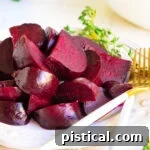
Roasted Beets
Sweet, tender, and incredibly easy to make, these oven-roasted beets are a healthy and versatile side dish that will convert even the biggest beet skeptics. No peeling required!
Print Recipe | Pin Recipe
Course: Side Dish
Cuisine: American
Keyword: how to roast beets, oven roasted beets, roasted beets, roasted beets recipe
Prep Time: 5 minutes
Cook Time: 45 minutes
Servings: 8 servings
Calories: 57 kcal per serving
Author: Trish – Mom On Timeout
Ingredients
- 6 fresh beets (with stems and leaves still attached, if possible)
- 2 tablespoons extra virgin olive oil
- 1 tablespoon Kosher salt (or sea salt)
Instructions
- Preheat oven to 400°F (200°C). Line a rimmed baking sheet with aluminum foil and set aside.
- Thoroughly scrub beets to remove any dirt or debris. Trim off the leafy tops and the root end.
- Place each beet on an individual piece of foil. Drizzle with olive oil and sprinkle with salt.
- Wrap each beet tightly in its foil packet and place on the prepared baking sheet.
- Roast beets at 400°F (200°C) for about 1 hour for medium to large beets. Begin checking smaller beets at 30 minutes. For even cooking, flip beets over about halfway through the cooking time.
- Beets are done when a skewer or toothpick easily pierces through to the center of the beet with little resistance.
- Allow the beets to cool for about 20 minutes, or until cool enough to handle. To remove skins, gently rub the outside of the beet with a paper towel; the skin should slide off easily. For stubborn spots, use a paring knife or vegetable peeler.
- Finally, cut the peeled beets into wedges, slices, or cubes and serve. Store any leftovers in an airtight container in the refrigerator for up to 1 week.
Video Guide
Nutrition Information (per serving)
- Calories: 57 kcal
- Carbohydrates: 6g
- Protein: 1g
- Fat: 4g
- Saturated Fat: 1g
- Sodium: 920mg
- Potassium: 200mg
- Fiber: 2g
- Sugar: 4g
- Vitamin A: 20IU
- Vitamin C: 3mg
- Calcium: 10mg
- Iron: 1mg