

Mastering Tomato Care: Your Ultimate Guide to a Bountiful Harvest

Tomatoes are undeniably a cornerstone of any successful home garden. Their rapid growth, diverse varieties, and unparalleled versatility in the kitchen make them an essential plant for gardeners everywhere. From creating fresh, zesty salsas and adding flavor to hearty sandwiches to simmering rich, homemade sauces – the taste of homegrown tomatoes is simply extraordinary and well worth the gardening effort. Thankfully, almost anyone can experience the joy of a plentiful tomato harvest, regardless of the space available. Tomato plants thrive remarkably well in various environments, whether planted directly in the ground, cultivated in large containers, or nurtured in raised garden beds. With the right strategies and consistent care, your tomato plants will generously reward you with an abundance of delicious, sun-ripened fruit all summer long.
The Irresistible Appeal of Growing Your Own Tomatoes
Beyond the profound satisfaction of cultivating food from seed to plate, growing tomatoes in your backyard offers numerous tangible benefits. The most significant advantage is the superior flavor and texture of a freshly picked, vine-ripened tomato compared to its supermarket counterpart. Homegrown varieties often boast a complexity and sweetness that simply cannot be replicated. Moreover, embarking on a tomato gardening journey allows you to explore an incredible array of cultivars, from rare heirloom varieties with unique colors and rich histories to modern hybrids specifically bred for disease resistance or high yields. This diversity is rarely found in commercial stores. By tending to your own plants, you also gain complete control over their environment, empowering you to embrace organic practices and ensure your family consumes produce free from unwanted chemicals. It’s an empowering and deeply rewarding experience that fosters a stronger connection to nature and your food source.
Choosing the Perfect Tomato Variety for Your Garden Success
A crucial step towards a successful harvest is selecting the right tomato variety. Tomatoes are broadly classified into two primary growth habits: Determinate and Indeterminate. Determinate varieties, often referred to as “bush” tomatoes, grow to a predetermined height, produce most of their fruit within a concentrated period, and then conclude their production cycle. These are excellent choices for gardeners with limited space, those who prefer a less demanding plant, or individuals planning large-batch canning or sauce making. Popular determinate types include Roma, Celebrity, and Patio tomatoes.
Conversely, Indeterminate varieties, known as “vining” tomatoes, continue to grow and produce fruit throughout the entire growing season until the first hard frost. These vigorous growers require robust support systems such as tall stakes, sturdy cages, or trellises, but they offer a continuous supply of fresh tomatoes for months. Most heirloom varieties, including beloved Brandywine and Mortgage Lifter, along with many cherry and large beefsteak tomatoes, fall into this category. When making your selection, also consider your culinary preferences: cherry tomatoes are ideal for snacking, paste tomatoes for sauces, and beefsteak tomatoes for slicing. Researching varieties well-suited to your local climate and growing zone will significantly boost your chances of a truly bountiful harvest.
Site Selection and Soil Preparation: The Foundation for Healthy Tomato Plants
The foundation of thriving tomato plants lies in meticulous site selection and thorough soil preparation. Tomatoes are sun-loving plants, demanding a minimum of 6 to 8 hours of direct sunlight daily to produce optimally, with 10 hours being the gold standard for the most vigorous growth and prolific fruit set. Choose a location in your garden that receives unobstructed sun exposure throughout the day. Anything less will result in leggy plants, reduced flowering, and diminished yields.
Beyond sunlight, well-draining, nutrient-rich soil is paramount. Before planting your tomatoes, generously amend your garden beds with ample organic matter such as high-quality compost, well-rotted manure, or aged leaf mold. This practice dramatically improves soil structure, enhances drainage, and boosts fertility, creating an ideal environment for robust root development. Aim for a soil pH between 6.0 and 6.8, which is slightly acidic. A professional soil test can provide precise information on your soil’s composition and nutrient levels, allowing you to make targeted amendments for optimal tomato plant care. For container gardening, utilize a premium potting mix specifically formulated for vegetables, ensuring excellent aeration and nutrient retention.
Expert Tips for Keeping Your Tomato Plants in Peak Condition This Summer:
1. Master the Art of Watering: Consistency is Key
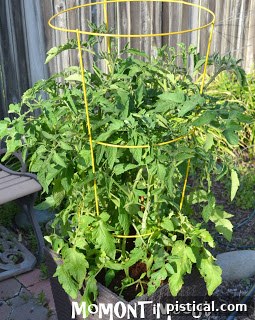
Avoid both overwatering and underwatering your tomato plants. Tomatoes thrive on consistent moisture levels. Irregular watering, characterized by periods of drought followed by heavy saturation, is a leading cause of common tomato problems like blossom end rot, where the bottom of the fruit turns black and leathery, and fruit splitting. The most effective way to ensure consistent moisture is through a drip irrigation system or by deep, regular watering directly at the soil level around the plant’s base. Water in the early morning to allow any incidental moisture on the leaves to evaporate quickly, minimizing the risk of fungal diseases. Check the soil moisture by inserting your finger about an inch deep; if it feels dry, it’s time for a good soak.
Mulching is an invaluable practice for maintaining stable soil moisture and temperature. Apply a generous layer (2-4 inches) of organic mulch, such as straw, shredded leaves, or wood chips, around the base of your tomato plants. This helps suppress competing weeds, dramatically reduces water evaporation, and keeps the soil temperature consistent, preventing root stress.
2. Fertilize Wisely for Optimal Fruit Production
Regularly fertilize your tomato plants with a balanced approach. Tomatoes are considered heavy feeders and require a steady supply of nutrients to support their vigorous growth and prolific fruiting. Begin with a balanced fertilizer during planting and early growth, then transition to a fertilizer with a higher phosphorus and potassium content once flowering begins and fruits start to set. This shift encourages fruit development rather than excessive leafy growth. Always adhere strictly to the instructions on your chosen fertilizer packaging to prevent both nutrient deficiencies and over-fertilization, which can lead to burnt roots or lush foliage with minimal fruit. Organic options like compost tea, fish emulsion, or slow-release granular organic fertilizers can provide a consistent and gentle nutrient supply.
3. Prevent Disease by Keeping Foliage Dry
Crucially, avoid getting water on the leaves of your tomato plants whenever possible. Wet foliage, especially during humid weather or if watered in the evening, creates an ideal breeding ground for notorious fungal diseases such as early blight, late blight, and powdery mildew. These diseases can quickly defoliate plants and devastate your harvest. Always direct your watering efforts to the soil level at the base of the plant. If using overhead irrigation, ensure it’s done early in the morning so the sun has ample time to dry the leaves completely before cooler evening temperatures set in. Adequate spacing between plants also contributes to good air circulation, further helping to keep foliage dry and healthy.
4. Provide Ample Sunshine for Sweet Fruit
Reiterating its importance, tomato plants demand between 6 and 10 hours of direct sunlight each day to achieve their full potential. Planting your tomatoes in a truly sunny location is perhaps the most fundamental requirement for a successful and flavorful harvest. Insufficient sunlight will inevitably result in weak, spindly plants that produce fewer flowers and underdeveloped, bland-tasting fruit. Carefully observe your garden’s sun patterns throughout the day before planting to identify the spot that receives the most consistent and intense sun exposure. If options are limited, prioritize morning sun, as it is vital for drying dew and preventing disease.
5. Strategic Pruning for Energy and Airflow
Regularly pinch off suckers and any growth below the first vine that has set fruit. Suckers are small, unproductive shoots that emerge from the “axil” – the point where a branch meets the main stem. By removing these extraneous growths, you effectively redirect the plant’s precious energy and nutrients directly to the developing fruit, leading to larger, healthier, and faster-ripening tomatoes. This essential practice, known as pruning, also significantly improves air circulation within the plant’s canopy, which is a critical factor in preventing fungal diseases. For indeterminate varieties, ongoing pruning throughout the season is crucial for managing their vigorous growth and maximizing fruit production.

Similarly, make it a habit to pinch off any leaves that are dead, yellowing, or show signs of discoloration, particularly those at the bottom of the plant. These aging or diseased leaves are often the first to succumb to pathogens and can quickly become a source of infection for the rest of the plant. Removing them not only prevents the spread of disease but also enhances overall plant vigor, redirects energy to healthy growth, and maintains a neat, attractive appearance in your tomato patch.
6. Enhance Pest Control with Companion Planting
For an added layer of natural pest control, consider the ancient practice of companion planting. Plant marigolds around the base of your tomato plants. French marigolds (Tagetes patula) are particularly renowned for their ability to deter harmful nematodes and other soil-borne pests through chemical compounds released from their roots. Their strong scent can also help repel common insect pests like whiteflies, aphids, and even the formidable tomato hornworm. While marigolds are highly beneficial, it’s worth noting they can sometimes attract slugs, so remain vigilant and apply organic slug control methods if necessary. Other excellent companions for tomatoes include basil, which is believed to enhance tomato flavor and repel flies, and borage, known for attracting beneficial pollinators.
7. Plant Deep for a Stronger Root System
When it comes time to transplant your tomato seedlings, plant them deep! This seemingly counterintuitive advice is one of the most effective strategies for developing incredibly strong and resilient tomato plants. Tomatoes possess a remarkable ability to grow new roots along any portion of their stem that is buried underground. Therefore, by carefully removing the lower leaves and burying half (or even more) of the tomato plant’s stem into the soil, you encourage the development of a significantly more extensive and robust root system. This enhanced root mass firmly anchors the plant, improves its ability to absorb water and nutrients, and makes the plant far more resilient to environmental stresses such as drought and strong winds. While your plant might appear smaller initially, it will quickly establish itself, grow faster, and become far more productive, often yielding fruit closer to ground level.
8. Provide Essential Support as Plants Grow
As your tomato plants mature and become heavy with developing fruit, providing adequate support is absolutely crucial. This prevents stems from breaking under the weight of the harvest and keeps fruit off the ground, significantly reducing the risk of pest damage and rot. There are several effective support options: traditional tomato cages, sturdy stakes (such as bamboo or metal posts), or trellising systems. For indeterminate varieties, which can grow quite tall and bushy, a robust and tall support system is almost always necessary to manage their vigorous, vining growth. Install your chosen support system early, ideally at the time of planting, to avoid disturbing the developing root system later on. As the plant grows, use soft garden ties to loosely secure the main stem and branches to the support, preventing chafing or damage.
Harvesting Your Abundant Tomato Crop
The culmination of your diligent tomato care efforts is the moment you pluck that perfect, ripe fruit from the vine. Most tomatoes are ready for harvest when they have developed their full, characteristic color – typically a rich red, but remember that many varieties can be yellow, orange, purple, or even striped. Gently cup the tomato in your hand and twist it until it detaches from the vine, or use clean garden pruners to snip the stem just above the fruit. Avoid forcefully pulling the fruit, which can damage the plant. Regular harvesting encourages the plant to produce even more fruit throughout the season. The best time to harvest is often in the early morning, when the fruits are cool and firm, maximizing their freshness and flavor.
Savor the Rewards of Your Homegrown Tomatoes!
By diligently applying these comprehensive tomato growing tips, you are well-equipped to cultivate a stunning and delicious harvest this season. The dedication and care you invest in your tomato plants will undoubtedly be rewarded with an abundance of beautiful, flavorful tomatoes that far surpass anything you can buy at the store. I personally find immense joy in cultivating a diverse array of tomatoes, ensuring my garden provides everything from sweet, popping cherry tomatoes for salads, robust Roma tomatoes perfect for rich sauces, to magnificent beefsteaks like Heirloom and Brandywine varieties ideal for thick, juicy slices.
What are your go-to tomato varieties to plant each year? Do you have any unique tomato care tips or seasoned secrets you’d recommend to aspiring gardeners? Share your experiences and insights in the comments below – happy gardening, and enjoy your delicious tomatoes!
here,
Home Stories A2Z, and
My Repurposed Life.